
Volatile Organic Compounds (VOCs) Testing
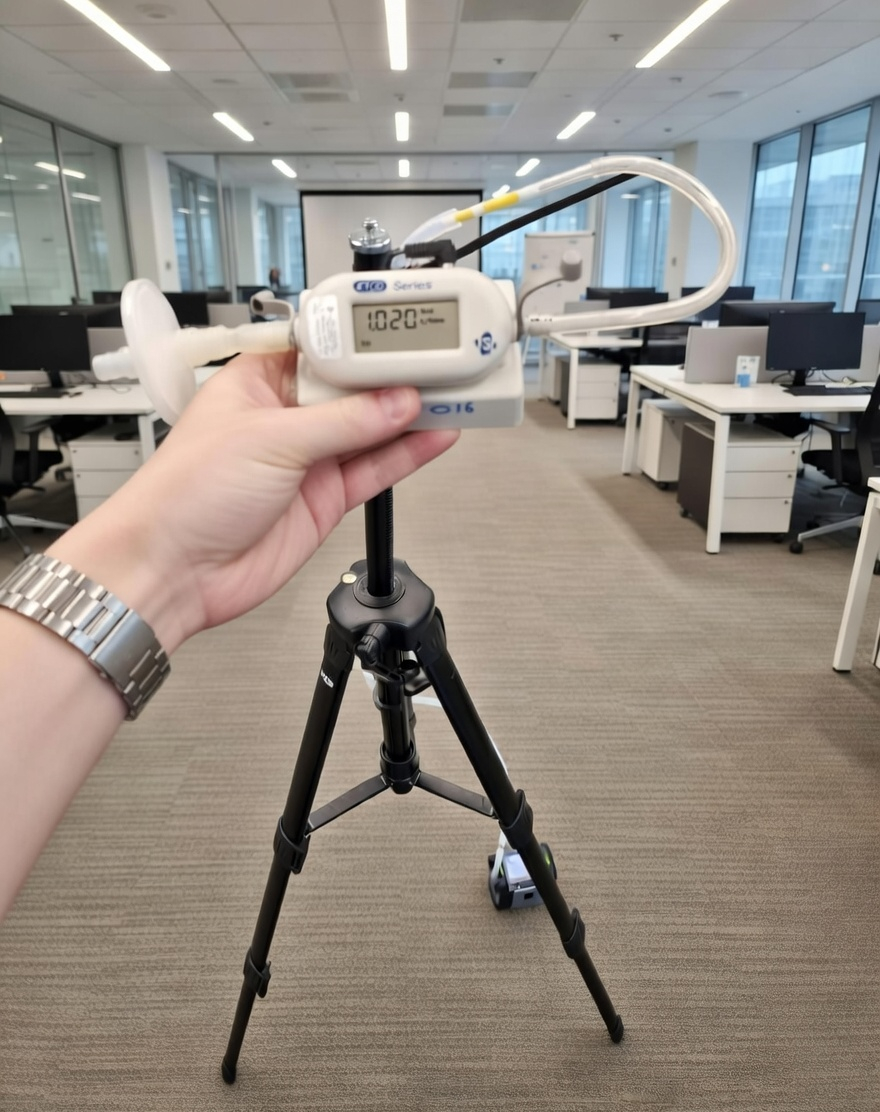
While all Green Star buildings require ongoing documentation of VOC content and emissions from the materials used, testing of actual occupant exposure levels during handover remains an optional credit.
Volatile Organic Compounds (VOC) Testing
Green Star Buildings projects in Australia mandate detailed documentation of VOC emissions from construction and fit-out materials. However, independent indoor air quality (IAQ) testing to measure occupant exposure at handover is still optional.
Despite this, many building owners choose to conduct VOC and formaldehyde testing before occupancy. It’s a practical step to verify that the indoor environment meets healthy standards once the building is complete.
Why Many Owners Choose to Test at Handover
The handover phase involves numerous stakeholders — builders, contractors, cleaners, and facility managers. A wide range of materials and activities can contribute to elevated VOC levels, including:
- Paints and coatings
- Sealants and adhesives
- Cleaning products
- Diesel-powered equipment (forklifts and generators)
- New furniture and interior finishes
While product documentation is required, real-world site conditions are often complex, and not every emission source is easy to track or control.
Independent on-site testing provides a clear, defensible baseline of actual air quality. It helps identify any issues with VOCs or formaldehyde before occupants move in, allowing teams to pinpoint sources, assign responsibility, and implement fixes such as additional ventilation or targeted remediation.
Our Professional VOC and Formaldehyde Testing
We conduct on-site testing in accordance with internationally recognised standards, including:
- ISO 16000-6
- ASTM D5197
- EPA TO-17
All laboratory analysis is carried out by a NATA-accredited laboratory, ensuring results that are accurate and defensible in any compliance or certification context.
 Our testing can also support claims for:
- Exposure of Toxins – Credit 13.2 (Green Star Buildings v1)
- Exposure of Toxins – Credit 14.2 (Green Star Buildings v1.1)
Key Benefits
Even if you’re not chasing formal Green Star points, good indoor air quality delivers real advantages:
- Better occupant comfort and wellbeing
- Lower risk of sick building symptoms
- Improved productivity and concentration
- Greater confidence for tenants and owners
Prolonged exposure to elevated VOCs and formaldehyde can cause eye, nose and throat irritation, headaches, fatigue, and reduced focus.
Ready to Discuss Your Project?
Every building is different. We tailor our VOC and formaldehyde testing programs to your site conditions, timeline, and specific compliance needs.
Contact our indoor air quality specialists to arrange testing or to discuss how we can support your Green Star project or commercial handover.


